Yamazaki 1984 and Vintage Whisky Scarcity: Why Do Established Japanese Releases Remain Preferred for Auction-Grade Buyback?

Want to know what this bottle may be worth?
Send photos and we will give an initial estimate based on edition, box and certificate, fill level, and bottle condition.
WhatsApp photo quoteAuction figures reveal an interesting Yamazaki trajectory over the past two years. Among its releases, Yamazaki 1984 is both whisky and a cultural symbol of Japanese whisky's golden era.
As professional older-spirits buyers, Whisky Era sees sums in the millions move between rare bottles every day. Enthusiasts often ask why established vintage Japanese whiskies, represented by Yamazaki 1984, remain preferred for auction-grade buyback in the fluctuating 2026 market. We examine the logic of scarcity and their appeal when offered for sale. To compare other Yamazaki age statements, see the Yamazaki 25 page; it is not a buyback quotation for Yamazaki 1984.
1. A Legendary Vintage: Yamazaki 1984's Significance
Yamazaki 1984 single malt was bottled in 2009 to mark 25 years since the Yamazaki single malt brand launched in 1984. It combines premium spirit matured for at least 25 years in sherry casks and Japan's distinctive Mizunara oak casks.
1. Structural Stock Scarcity
Reduced production during the late-1980s consumption slump left limited 25-, 30- and older stocks. Yamazaki 1984 is described as “born in a trough, bottled at a peak”: each bottle consumed means one fewer surviving bottle of that vintage.
2. Mizunara's Eastern Character
Mizunara gives sandalwood, agarwood and kyara incense, described by international enthusiasts as liquid haiku. Yamazaki 1984 captures the wood's elegance and depth through time, supporting buyback resilience.

2. Buyback in 2026: Discontinuation Effects
Entering 2026, despite a period of rational market correction, the selling potential of older rarities has become even more apparent.
1. Hong Kong Duty Benefits
The October 2024 import-duty system applies above 30% ABV. Bottles up to one litre are taxed on the first HK$200 at 100%, and the remainder at 10%; larger bottles use value per litre. This can reduce qualifying import duties and support Hong Kong's auction and buyback activity. Owners of Yamazaki 18, Hibiki 21 or Yamazaki 1984 can consider local professional buyers such as Whisky Era. Local Yamazaki offers remain individual appraisals; duty changes do not guarantee appreciation or profit.
2. Auction-Grade Japanese Whisky: HKD References
| Brand / series | Release | Collecting factor | 2026 buyback reference (HKD) |
|---|---|---|---|
| Yamazaki | 1984 Single Malt | Marks 25 years since Yamazaki single malt launched; Mizunara-cask style | Individual physical appraisal by edition and condition (price on enquiry) |
| Yamazaki | 25 Year Old Single Malt | Early sherry-style editions attract Asian collectors; distinguish their release periods. | HK$68,000–85,000+ |
| Hibiki | Early 30 Gold Flower | Golden double-door box, handmade crystal and Mizunara | HK$100,000–120,000 |
| Hibiki | 35 Year Old 2016 Arita Special Edition | 150 bottles and artistic porcelain | HK$480,000–700,000 |
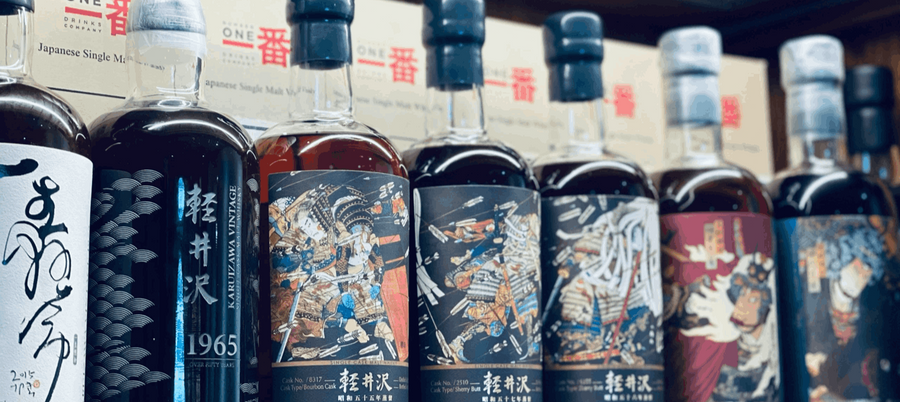
| Karuizawa | Pearl / Ruby Geishas | Closed-distillery rarity, such as only 71 bottles of the 37-year-old | HK$260,000–340,000+ |
| Hakushu | 18 Year Old Single Malt | Forest-like smoke and irregular production | HK$4,500–6,500 |
Note: References only. Actual offers depend on bottle condition, complete packaging and the day's market.

3. Four Key Appraisal Factors for Vintage Whisky
In professional Hong Kong whisky buyback , not every older bottle achieves a high valuation. Whisky Era's specialists examine:
1. Fill Level
Compare the fill against the original fill of the same edition, capacity and bottle shape. If it falls to the shoulder, even Yamazaki 1984 may lose 30% or more of value. A low fill requires checking the closure and liquid; fill alone cannot establish an inadequate seal, excessive oxidation or damage to the whisky.
2. Seals and Packaging
- Original box: Intact original cartons and wooden cases, such as Hibiki 30's double-door gold case, support appraisal. The article uses a 30% difference as a packaging reference; assess the actual edition and condition individually.
- Sealing film: No uneven heat wrinkles or damage. Damaged Japanese-whisky capsule film reduces offers.
3. Storage: Upright and Dark
Whisky must be stored upright. Wine-style horizontal storage can damage cork, causing leakage or fragments in the spirit. UV also damages labels and can trigger cardboard-like or stale flavours.
4. Provenance
Auction records, original invoices and certificates support stronger offers. For Karuizawa or Hanyu cards , complete provenance significantly improves buyer confidence.

4. Why Choose Whisky Era?
Select a well-funded buyer with authentication expertise. Whisky Era offers:
- Prompt, transparent quotations: London, New York and Hong Kong auction references converted to HKD at the day's rate.
- Collection throughout Hong Kong: Free visits across Hong Kong Island, Kowloon and the New Territories, with privacy and safety.
- Immediate cash settlement: After agreement, we insist on immediate payment by cash or FPS. Confirm actual receipt before handing over the bottle, avoiding the months of waiting and high commissions associated with auctions.
-
Authentication expertise: We draw on experience in physical authentication and big-data analysis to pinpoint edition premiums in Yamazaki, Hibiki and Karuizawa.

In Closing: Collecting Is Art; Selling Requires Judgement
Yamazaki 1984's representative standing illustrates vintage whisky's enduring appeal through time and scarcity. In the article's 2026 window of recovering markets and favourable policy, reviewing your collection and converting unused assets into accessible funds can be a rational investment choice.
Your Collection Deserves Professional Care!

Contact Whisky Era for a Professional Buyback Quotation
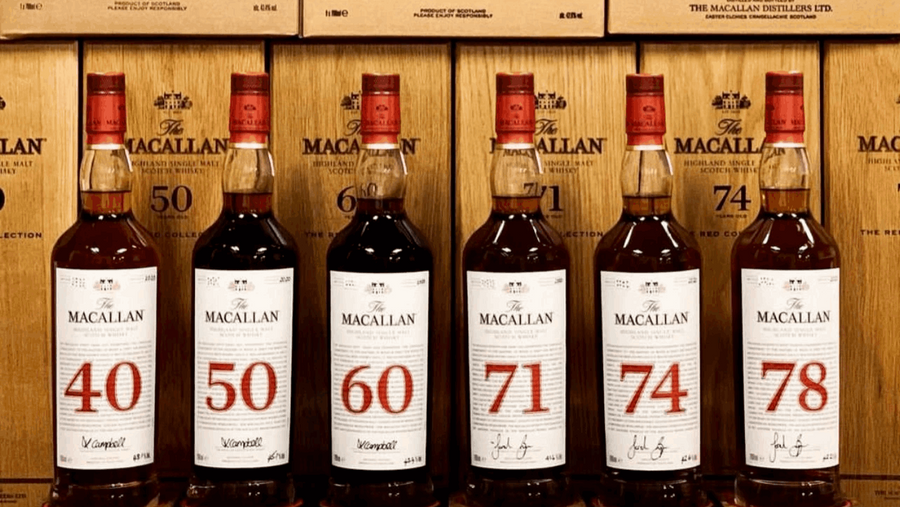
If you hold Yamazaki, Hibiki, Karuizawa, Macallan or other premium whisky, contact us.
📲 Free WhatsApp appraisal: (852) 4613 5750 📧 WeChat: WSSJ868 📍 Free collection throughout Hong Kong and Macau
Send clear front, back and cap-seal photographs. Our specialists will provide a detailed quotation as quickly as possible.
Further Reading
- Further reading: Japanese Whisky in 2024–2026: Why Hibiki and Yamazaki Remain Popular in Hong Kong Buyback
- Related reading: Is Yamazaki Worth Investing In? Recent Hong Kong Buyback Developments
- Also featured: Sleeping Gold: Understanding the Value of Hibiki, Karuizawa and Yamazaki | Whisky Era Buyback
- Current buyback quotation: Yamazaki 12 Old Edition Buyback
- View buyback prices: Yamazaki 1984 Buyback
- Browse the complete range: Yamazaki Series Buyback Prices
To understand your collection's value, gather age, edition, box, documents and condition details before appraisal.
Whisky buyback valuation
Have a similar bottle? Get a free initial quote
For one bottle or a larger collection, send photos first and we will reply with market-aware guidance.
- Edition and vintage check
- Same-day initial quote
- Hong Kong pickup or in-store handover
Please show the front label, back label, capsule, fill level, box, certificate, and any visible defects.