The Yamazaki Legend: Why 18, 25 and 55 Years Are Called Value-Retention Kings in Hong Kong Whisky Buyback

Want to know what this bottle may be worth?
Send photos and we will give an initial estimate based on edition, box and certificate, fill level, and bottle condition.
WhatsApp photo quoteFor anyone buying or selling Yamazaki, understanding edition differences is essential. At the top of this pyramid, Suntory's flagship brand—Yamazaki—stands among the most closely watched names for collectors worldwide and Hong Kong's buyback market.
In 2026, Hong Kong's spirits-duty reform—covering spirits above 30% ABV, with 100% duty on the first HK$200 of a bottle's value and 10% on the remainder for bottles no larger than one litre, and assessment by value per litre for larger bottles—combines with the ongoing shortage of old Japanese whisky stocks. Yamazaki 18, 25 and 55 are widely regarded as value-retention kings. Having worked in Hong Kong's market for many years, professional buyer Whisky Era examines the value behind these three classics and why they have held their secondary-market position. To compare other Yamazaki age statements, see the Yamazaki 1984 page; it is not a buyback quotation for Yamazaki 18, 25 or 55. Local Yamazaki prices still require individual bottle quotes; duty changes do not guarantee appreciation or profit.
1. Yamazaki's Legendary Standing: Why Is It a Leading Asset-Allocation Choice?
Established in 1923, Yamazaki Distillery is the birthplace of Japanese whisky. Its success rests on an exacting pursuit of terroir and cask craftsmanship, especially rare Japanese Mizunara oak casks, which bring distinctive sandalwood and kyara incense aromas. This contemplative Eastern character is difficult for Scotch whisky to reproduce.
In Hong Kong's buyback market, whether a bottle can be considered a value-retention king depends on three core dimensions:
- Distillery reputation: The prestige of a renowned distillery directly influences its potential premium.
- Rarity: Old pre-closure stocks are finite; distinguish them from older age-statement whiskies still in production. Scarcity is a collecting factor, but consumption does not guarantee exponential price growth.
-
Liquidity: Strong transaction speed at auctions worldwide and through buyers such as Whisky Era.

2. Three Value-Retention Kings: Their Value and 2026 Market References
1. Yamazaki 18: Hard Currency for Serious Collectors
Yamazaki 18 is currently among the most widely circulated and recognised older Japanese whiskies on the global secondary market. It combines long-matured malt whiskies, offering deep ripe-fruit aromas and complex cask character.
- The value-retention argument: It is a gateway from casual enthusiasm to experienced collecting. Although the producer has expanded capacity in recent years, replenishing stocks aged 18 years or more takes decades against rapidly growing global demand. This supports collecting appeal but cannot guarantee continuously rising prices; edition, demand and actual transactions still matter.
-
Its market role: In Hong Kong, it brings prestige to social occasions and is readily saleable.

2. Yamazaki 25: Distinguish Older Sherry-Style and Current Editions
If 18 is hard currency, Yamazaki 25 is a true blue-chip holding. Early editions are known for precious Spanish sherry-cask spirit and a deep, richly concentrated, ruby-like style. The formula revised in 2021 combines long-matured Mizunara, Spanish Oak and American Oak stocks; do not interchange their recipes or valuations.
- The value-retention argument: Yamazaki 25 is highly sought after in Asian markets in 2026. Limited supply and the effect of edition changes on particular early releases have moved prices beyond original retail levels.
-
Reference buyback market (Hong Kong, 2026): Depending on edition—older versus newer—and condition, market reference quotes are around HK$68,000–HK$85,000 or more.

3. Yamazaki 55: Whisky's Crown Jewel
When bottled in 2020, Yamazaki 55 was Suntory's oldest single malt. One hundred bottles were released first in Japan in 2020, followed by another 100 for global markets in 2021. It is revered at auction.
- The value-retention argument: More than a bottle of whisky, it is a liquid antique with considerable historical value. It spans changes at the distillery during the Showa era and represents an extreme point in Japanese whisky history.
-
Collectors: The world's wealthiest individuals, art collectors and major hedge funds. Buyback of bottles at this level usually follows individual professional appraisal.

3. What Determines Yamazaki Buyback Value?
As an experienced Hong Kong buyer, Whisky Era closely examines the following details during physical appraisal. Even a small defect can create a HK$5,000–HK$50,000 difference in the final transaction price.
Yamazaki Series: Buyback Appraisal Factors
| Assessment Area | Ideal Condition (Best Price) | Defects (Reasons for a Reduction) | Whisky Era's Assessment |
|---|---|---|---|
| Fill level | Mid-neck | Below the shoulder | Compare fill against the same edition's original level and check the closure and liquid. Low fill alone cannot establish its cause; the article uses a value reduction of 30% or more as a reference. |
| Packaging completeness | Full set: paper box, wooden box, certificate, cards and sleeve | No box, bottle only or missing certificate | For 25 and 55, a missing certificate directly affects provenance authentication and can lead to a substantial discount. |
| Capsule condition | Intact, close-fitting and undamaged | Wrinkling, heat deformation or signs of removal | The capsule is an initial line of authentication evidence; damage often raises concerns about an old bottle being refilled with new whisky. |
| Label condition | Clean, without yellowing or lifted edges | Mould, damage or water marks | Label defects can reduce the transaction price by 10%–30% and reflect whether storage maintained stable temperature and humidity. |
| Authentication features | Check that edition's original QR code or UV label, where present. | Packaging inconsistent with the same edition, doubled print or speckling requires further examination. | Counterfeiters often use inkjet printing to copy old labels; professional buyers use UV light and isotope techniques for checks. |
4. Japanese Whisky Buyback Trends in 2026: From Speculation to Value
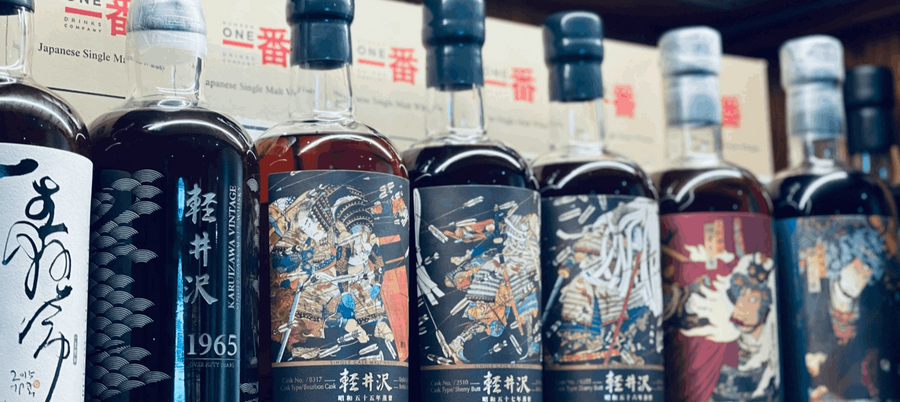
According to recent market reports, the global whisky market was forecast to reach US$109 billion, approximately HK$850.2 billion, in 2025. Although prices underwent a correction of roughly 8%–15% in 2024, premium targets such as older Yamazaki and closed-distillery Karuizawa continued to perform strongly.
Hong Kong's policy context:
The article presents 2026 as the best window for converting a collection into cash. Hong Kong's substantial spirits-duty reduction lowered transaction costs for international buyers and local whisky buyers, further encouraging liquidity in the city as an Asian whisky hub.

5. Advice from a Professional Buyer: How to Seek the Best Price for Your Liquid Collection
If you plan to sell your bottles through Whisky Era , the following advice helps you check condition and quotations:
- Avoid horizontal storage: Whisky's high alcohol strength—43% or above—can damage corks when bottles lie on their sides, causing breakage, leakage or bitter woody flavours. Always store bottles upright.
- Keep light and temperature under control: UV light can fade whisky and break down ester-derived flavours. Keep bottles in their original outer boxes.
- Do not scrub the seal: If dust is present around the bottle's mouth before sale, gently wipe the bottle with a dry cloth. Never rub the capsule or tax label vigorously, as this can cause wear.
- Provide a clear family portrait of the bottle: When enquiring, provide five photographs showing the front, back with a legible back label, cap, bottle base and original box. These help us give an accurate initial estimate within 60 seconds.
Closing Thoughts: Collecting Is an Art; Selling Takes Judgement
Yamazaki 18, 25 and 55 are called value-retention kings for combining Japanese craftsmanship, an unrepeatable history and scarce production. Some collectors consider these premium whiskies options for tangible-asset collecting, but prices still fluctuate and inflation protection is not guaranteed.
Your collection deserves professional attention. As a leading Hong Kong whisky buyer, Whisky Era commits to offering some of the industry's most competitive buyback quotes. Our authentication expertise and real-time international secondary-market information help identify the individual value of every old bottle.
Whisky Era — Your Whisky Buyback and Authentication Specialist
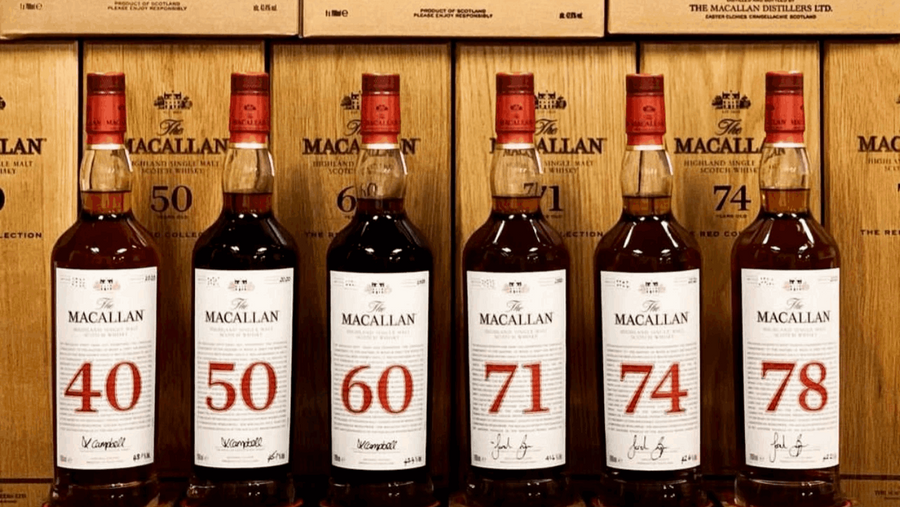
If you own Yamazaki, Hibiki, Karuizawa, Macallan or Port Ellen and want a secure, quick sale at a strong price, contact us at any time.
- ✅ Professional authentication: Free on-site appraisal throughout Hong Kong and Macau, with no handling fee.
- ✅ Professional buyback: We reference recent international auction results, settle at the day's exchange rate and provide competitive individual quotations based on edition and condition.
- ✅ Immediate payment: Cash transactions or immediate FPS transfers, with privacy and security assured.
Act Now: Turn Your Collection into Funds
📲 WhatsApp for an immediate quote: (852) 4613 5750 📍 Physical-store operation: Professional fine-whisky buyback in Hong Kong, built on honest dealing and reputation.
Reminder: Excessive drinking harms health. Minors should not drink alcohol.
Related Reading
- Also worth reading: Finding Treasures in Yuen Long: Yamazaki 55 Buyback, Wabi-Sabi Culture and Investment Trends
- Related reading: Japanese Whisky in 2024–2026: Why Hibiki and Yamazaki Remain Popular in Hong Kong Buyback
- Explore further: The Ultimate Blended Symphony: How Suntory Hibiki 21 Combines Yamazaki, Hakushu and Chita into Complex, Harmonious Flavour
- Check buyback prices: Yamazaki 12 Old Edition Buyback
- Current buyback quote: Yamazaki 1984 Buyback
- Buyback prices across the series: Yamazaki Series Buyback Price References
Your collection may be worth more than you think. WhatsApp (852) 46135750 for an initial online appraisal and cash handover.
Whisky buyback valuation
Have a similar bottle? Get a free initial quote
For one bottle or a larger collection, send photos first and we will reply with market-aware guidance.
- Edition and vintage check
- Same-day initial quote
- Hong Kong pickup or in-store handover
Please show the front label, back label, capsule, fill level, box, certificate, and any visible defects.