Why Does Hibiki 30 Year Old Command Such High Prices? Gold-Flower and Arita Editions in the Buyback Market

Want to know what this bottle may be worth?
Send photos and we will give an initial estimate based on edition, box and certificate, fill level, and bottle condition.
WhatsApp photo quoteIn global spirits investing and collecting, Japanese whisky has moved beyond a drink to become a ‘liquid asset’ associated with resilience and appreciation potential. At the top of that value pyramid, Hibiki 30 Year Old is a holy grail sought by collectors and investors alike.
As specialist vintage-whisky buyers, Whisky Era sees substantial differences between early Gold-Flower bottlings and extremely limited Arita ceramic editions of the same Hibiki 30 Year Old, both in buyback price and speed of sale. Drawing on appraisal experience and market-data analysis, this article examines why Hibiki 30 can command exceptional prices and how its editions differ in the 2026 buyback market.
I. Hibiki 30 Year Old: A Pinnacle of Blending
First released in 1997, Hibiki 30 Year Old blends carefully selected spirits aged at least 30 years from Suntory's Yamazaki, Hakushu and Chita distilleries.
1. Structural Scarcity
Hibiki 30's high value stems from a physical bottleneck. Production cuts during Japan's weak whisky consumption in the 1980s left very limited stocks of older spirit for blending today. The source puts annual production at roughly 2,000–3,000 bottles, making secondary-market supply a case of one fewer bottle with every sale.
2. The Japanese Character of Mizunara Oak
The article links Hibiki 30's Whiskybase scores of 90 points or more to spirit matured for more than 30 years in rare Japanese mizunara oak casks. These casks impart distinctive sandalwood and agarwood, or kyara, aromas with an Eastern contemplative character, earning the description ‘liquid haiku’.

II. The Legendary Gold-Flower Series: An Original Benchmark for Collectors
‘Gold-Flower’ refers here to early Hibiki 30 Year Old produced from 1997 until the packaging change in 2007. Its substantial buyback premium rests on that place in the brand's history and its distinctive flavour profile.
1. Visual Features: A Gold Double-Door Box and Washi Label
- Label: A prominent gold-flower emblem appears on the front label.
- Outer Box: A gold Kannon-biraki wooden box opens with paired doors, evoking the dignity of a traditional Buddhist shrine.
-
Bottle: A 30-facet cut-crystal bottle made by Kagami Crystal.

2. Flavour Differences: Exuberance Meets Harmony
| Tasting Aspect | Early Gold-Flower Edition (1997–2007) | Modern Edition (2007–Present) |
|---|---|---|
| Aroma | Pronounced mizunara smoke, sandalwood and dark leather | Elegant mizunara fragrance, ripe apricot and sweet mango |
| Palate | A very thick, syrupy texture, dark chocolate and powerful spice | Silky and rounded, exceptionally balanced, with toffee and cedar |
| Buyback Appeal | Very high: a collecting premium driven by scarcity | Steady: a benchmark expression with strong liquidity |
III. Arita and Kutani: Where Whisky Meets Ceramic Art
Hibiki 30's collaborations with Japan's celebrated Arita-yaki and Kutani-yaki ceramics bring whisky into the realm of art.
1. An Added Layer of Artistic Value
Some Hibiki ceramic special editions are made or supervised by renowned kilns or Living National Treasure artists, such as Sakaida Kakiemon XIV, with hand-worked details giving each bottle individuality. His official Nigoshide Mountain Azalea bottle is Hibiki 35, so it cannot be assigned broadly to Hibiki 30. The source mentions themes such as the overglaze flowering-wagtail motif and longevity pine/bamboo/plum motif; their exact age and kiln must be checked against the particular official release. Such ceramic art attracts experienced art collectors on the secondary market.
2. Hibiki 35 versus Hibiki 30 Ceramic Editions
Although the Hibiki 35 Year Old Arita edition released in 2016 commands exceptional prices because of its scarcity, stated here as a run of 150 bottles, the regular buyback market views Hibiki 30 Year Old Arita as a steadier collectible through its balance of depth in the whisky and artistic craft.

IV. 2026 Buyback Market References: Hong Kong
Following the rational price correction described for 2024–2025, the article sees 2026 as a favourable selling window for older rarities. The following figures are expressed in Hong Kong dollars using Whisky Era's stated market references for the day:
| Expression | Edition Details | 2026 Reference Buyback Price (HKD) |
|---|---|---|
| Hibiki 30 Year Old, Early Gold-Flower Edition | Complete condition with the gold Kannon-biraki wooden box | HK$ 100,000 - 120,000+ |
| Hibiki 30 Year Old, Arita / Kutani | Hand-painted limited editions from various kilns | HK$ 60,000 - 95,000+ |
| Hibiki 30 Year Old, Modern Edition | Current white-box or leather-case presentation | HK$ 38,800 - 45,000 |
| Hibiki 35 Year Old — Arita / Kutani Porcelain | Yōsai bottle / 14th-generation Sakaida example (reference) | HK$ 400,000 - 550,000+ |
| Hibiki 21 Year Old, Airport / Design Edition | Kachō Fūgetsu and Mount Fuji with wind-and-cloud motifs | HK$ 25,000 - 45,000+ |
(Note: These quotations are references only. Actual prices depend on fill level, label condition and complete packaging.)

V. A Specialist Buyer's Advice: Supporting Your Collection's Selling Value
Details matter in a high-value whisky buyback in Hong Kong. These are the principal recommendations from Whisky Era appraisers:
1. Complete Accessories for the Strongest Quotation
For Gold-Flower or Arita Hibiki 30, the original paulownia wooden box, washi-paper booklet, numbered certificate for ceramic editions, and the Sanada-himo cord tied around the presentation all contribute to completeness. The source gives a 20%–30% reduction in value for a missing item.
2. Fill Level and Capsule Inspection
- Fill Level: The liquid must be mid-neck. A fall to the shoulder is given a possible loss in value of 30% or more.
- Capsule: The early Gold-Flower capsule should bear ‘SUNTORY’, with a flower emblem on the cap. Creases or signs of removal can raise concerns about an old bottle refilled with new spirit.
3. The Effect of Storage
Whisky must be stored upright. Horizontal storage can let high-strength alcohol damage the cork, leading to leakage or impaired whisky and a substantial reduction in buyback value.

VI. Professional Attention for a Valued Collection
Gold-Flower and Arita Hibiki 30 expressions embody Japanese craftsmanship and capture a remarkable period in time. Against the shortage of older spirit described in this article, these rarities retain a strong long-term collecting case in the author's view.
Your Rare Japanese Whisky Deserves Professional Attention!
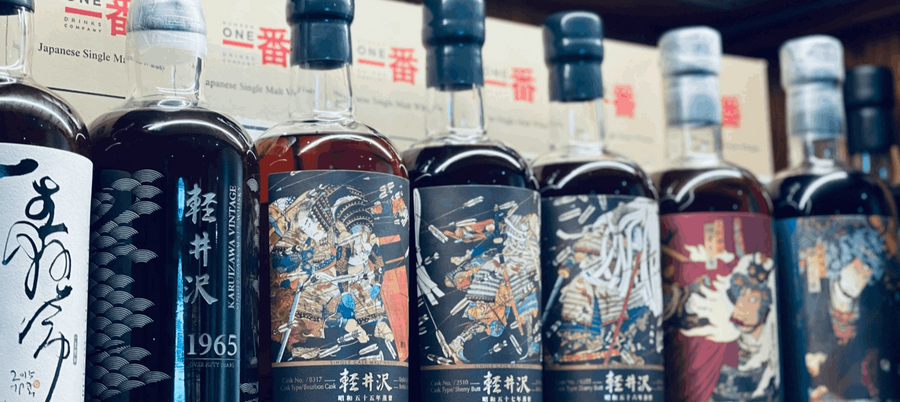
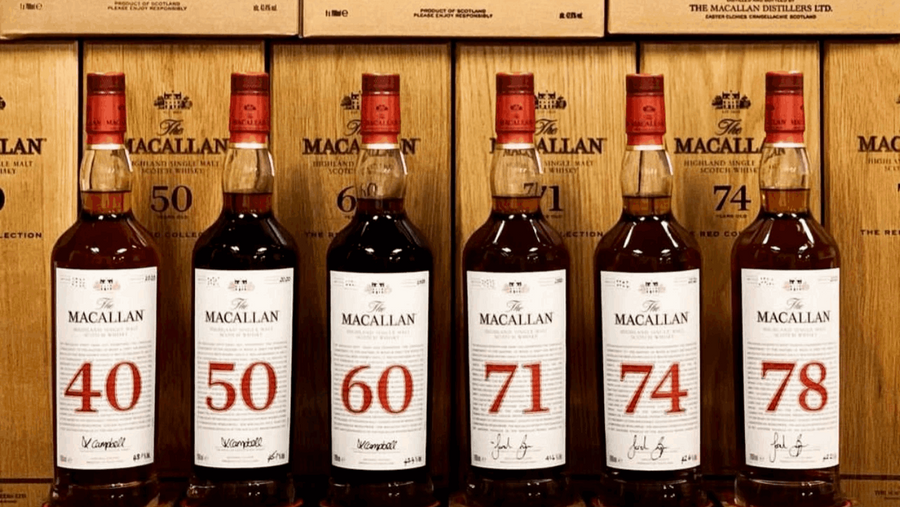
If you hold Hibiki 30, Yamazaki, Karuizawa, The Macallan or other fine whisky and want a secure, transparent selling channel, Whisky Era is ready to help. We offer home buyback visits across Hong Kong and immediate cash settlement, helping your ‘liquid gold’ realise its collecting value.
Contact Us for a 2026 Quotation!
- Business Name: Whisky Era
- Official WhatsApp: (852) 4613 5750
- Services: Japanese whisky buyback, vintage whisky appraisal and limited-edition purchasing
- Whiskies We Purchase: Hibiki, Yamazaki, Karuizawa, The Macallan and other fine whiskies
Whisky Era — Physical Premises, Honest Buyback, Home Visits Across Hong Kong and Immediate Cash Payment
Whisky buyback valuation
Have a similar bottle? Get a free initial quote
For one bottle or a larger collection, send photos first and we will reply with market-aware guidance.
- Edition and vintage check
- Same-day initial quote
- Hong Kong pickup or in-store handover
Please show the front label, back label, capsule, fill level, box, certificate, and any visible defects.