Hibiki 30 and 35 Arita: Understanding Art-Grade Whisky Buyback Value

Want to know what this bottle may be worth?
Send photos and we will give an initial estimate based on edition, box and certificate, fill level, and bottle condition.
WhatsApp photo quoteAuction figures reveal an interesting Hibiki trajectory over the past two years. As global whisky returns from speculation towards rationality in 2026, genuinely scarce, artistic flagships look steadier. As Hong Kong older-whisky buyers, Whisky Era has seen strong interest in Hibiki 30 and 35 Arita. Both have moved beyond drinks into liquid art collectibles with considerable liquidity.
This article examines Hibiki 30 Gold Flower and regular releases alongside 35 Arita: their history, craftsmanship, 2026 Hong Kong buyback references and authentication points for individual valuations. To compare other Hibiki releases, see the Hibiki 12 page; it is not a buyback quotation for Hibiki 30 or 35.
1. Hibiki's Philosophy and Market Position
Launched in 1989 for Suntory's 90th anniversary, Hibiki sought to combine Japanese natural aesthetics and blending at the highest level. Some regular editions feature signature 24-faceted bottles, representing the seasonal divisions, and Echizen washi labels. Hibiki 30 uses a 30-faceted crystal bottle, establishing an Eastern luxury identity.
Older Hibiki, including 21, 30 and limited 35, remains readily tradable because mature stocks are tight. Hong Kong's 2024 duty reduction applies to alcohol exceeding 30% by volume: bottles up to one litre are taxed at 100% on the first HK$200 and 10% on the remainder; larger bottles use value per litre. The article sees this supporting Hong Kong as an Asian auction and buyback hub. Local prices still depend on individual quotations; duty changes do not guarantee appreciation or profit.

2. Hibiki 30: A Benchmark for Blending
First released in 1997, Hibiki 30 combines premium spirits aged at least 30 years from Yamazaki, Hakushu and Chita, including precious Mizunara-matured whisky.
1. Early Gold Flower: A Favourite of Experienced Collectors
Gold Flower commonly refers to early releases from approximately 1997–2007, with dates requiring checking from bottle labels and packaging. They have golden flower emblems and double-door golden wooden cases resembling Buddhist shrines.
- Flavour: Stronger Mizunara smoke than modern versions, reminiscent of agarwood and sandalwood, with a very dense texture.
-
Scarcity: After many years and gradual stock consumption, Gold Flower commands a substantial premium over modern releases in 2026 buyback assessment.

2. Modern and Kacho Fugetsu Editions
- Modern white / leather box: Less historically significant but more harmoniously balanced, popular for premium gifts and drinking.
- Kacho Fugetsu limited edition: Released for travel retail in 2015, with imagery of Japan's four seasons. The 18.4% annual appreciation quoted here is a historical reference: editions and periods perform differently, so it cannot project future increases.

3. Hibiki 35 Arita: Porcelain Craft Meets Time
If Hibiki 30 is a liquid miracle, Hibiki 35 combines art and legend. In 2016, Suntory marked 400 years of Japanese porcelain by collaborating with artists at Iwao Taizan Kiln and Ginsen Kiln on exceptionally rare Arita and Kutani releases.
1. Exceptional Scarcity
The two 2016 releases were limited to 150 bottles each and blended rare spirits aged 35–54 years. This once-in-a-lifetime scale makes them major auction lots with values far above ordinary glass-bottle editions.
2. Porcelain Styles
- Arita-yaki: Known for fine white porcelain and elaborate decoration. The 2016 cylindrical bottle with blue-and-white peonies and butterflies expresses the beauty of early Arita ware.
-
Kutani-yaki: Bold, intense colour, with the 2016 cylindrical bottle featuring peonies and butterflies in an old-Kutani-inspired overglaze design. Living National Treasure Tokuda Yasokichi III also created the highly collectible Hibiki 35 Yosai vessel Hekiyo. It is a separate release, to which the preceding 2016 figures of 150 bottles each and 35–54-year-old spirit cannot be applied.

4. Older Hibiki Buyback Guide for 2026, HKD
Entering 2026, despite higher official retail prices, secondary offers depend primarily on edition scarcity and preservation. Here are Whisky Era's Hong Kong buyback references across editions, with actual valuations assessed bottle by bottle:
Hibiki Buyback Reference Table, 2026
| Series | Specification / features | Recommended condition | 2026 buyback reference (HKD) |
|---|---|---|---|
| Hibiki 35 | Arita / Kutani limited edition | Complete excellent set, wooden box and certificate | HK$400,000–550,000+ |
| Hibiki 30 | Early Gold Flower, double-door box | Intact label and normal fill | HK$100,000–178,000 |
| Hibiki 30 | Kacho Fugetsu design bottle | Limited design edition | HK$48,000–60,000 |
| Hibiki 30 | Modern regular release, white / leather box | Unopened | HK$38,800–45,000 |
| Hibiki 21 | Kutani / Arita porcelain | Undamaged porcelain | HK$40,000–70,000 |
| Hibiki 21 | Airport edition / Mount Fuji imagery | Limited glass bottle | HK$25,000–45,000 |
Note: References only. Actual offers depend on physical condition, seal and the day's market.

5. Five Core Appraisal Factors
As professional buyers, Whisky Era examines these details when assessing Hibiki 30 and 35:
- Fill level: Evaporation during cask maturation is called angels' share; a lower bottle fill calls for closure checks and consideration of other factors. This article uses a loss of 30% or more for shoulder-level fills to highlight condition risks. Actual appraisal still compares original fills for the same edition alongside closure and liquid condition.
- Capsule and seal: A first checkpoint for edition and authenticity. Early Gold Flower SUNTORY and modern hibiki capsule lettering can provide edition clues, to be checked against reliable same-edition examples and provenance; lettering alone cannot authenticate a bottle. Damage or removal marks can lower offers substantially or cause refusal.
- Complete outer packaging: Original paulownia cases, washi certificates and manuals matter for ceramic releases. The quoted 20%–30% price difference for missing accessories is a reference in this article; each valuation still depends on the edition and actual missing pieces.
- Storage: Whisky must be stored upright. Horizontal storage can damage cork and cause leakage or flavour deterioration, sharply reducing value.
- Porcelain condition: Cracks and glaze loss, especially around the mouth, are central to artistic value.
6. Professional Authentication: Counterfeit Risks, the 30% Claim and Checks
High Hibiki 30 prices make it a counterfeiting target. There is a claim that fake-whisky prevalence once reached 30%, but this cannot represent every Hibiki 30 or the whole buyback market. Expensive older bottles particularly require checking point by point. Whisky Era suggests checking:
- Bottle craftsmanship: Check Hibiki 30's 30-faceted crystal bottle separately from the 24-faceted glass bottles of some regular editions. Facets, edges and material offer same-edition comparison clues, but appearance alone cannot authenticate a bottle.
- Label texture: Echizen washi has a 1,500-year history, with tactile relief and clean lettering on genuine labels.
- QR codes and security technology: If the edition originally has a QR code or holographic label, check through issuer-confirmed channels. Not every expression has these features, and scan results alone cannot guarantee authenticity.
7. Why Choose Whisky Era?
A trustworthy partner matters in Hong Kong's active whisky market. Whisky Era offers professional buying:
- Accurate quotations: International auctions and secondary-market references support competitive HKD cash offers.
- Authentication expertise: Experience identifying Japanese editions helps distinguish Gold Flower, first and modern versions.
- Collection across Hong Kong: Online quotations 24 hours a day and free on-site collection, with privacy and safety.
- Immediate settlement: Cash or FPS after authentication, avoiding auction waiting periods and commissions.
In Closing: Turn Rare Whisky into Tangible Wealth
Hibiki 30 Gold Flower and 35 Arita exemplify Japanese craftsmanship. In a market focused on long-term value, their historical and artistic character supports collecting appeal.
Your Collection Deserves Professional Care!
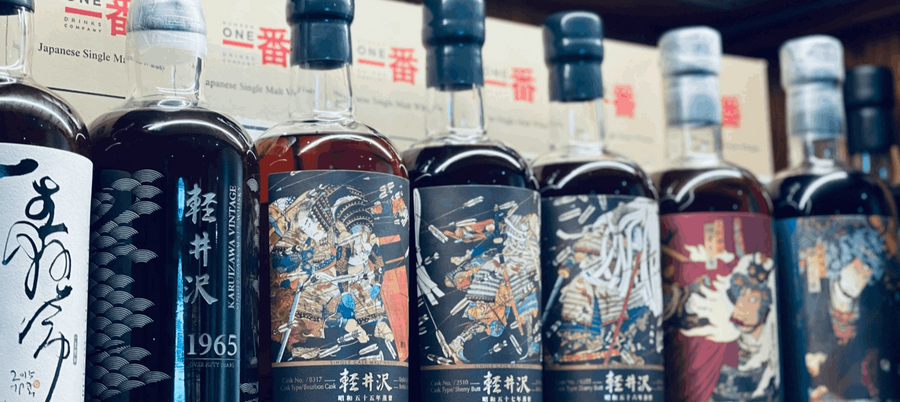
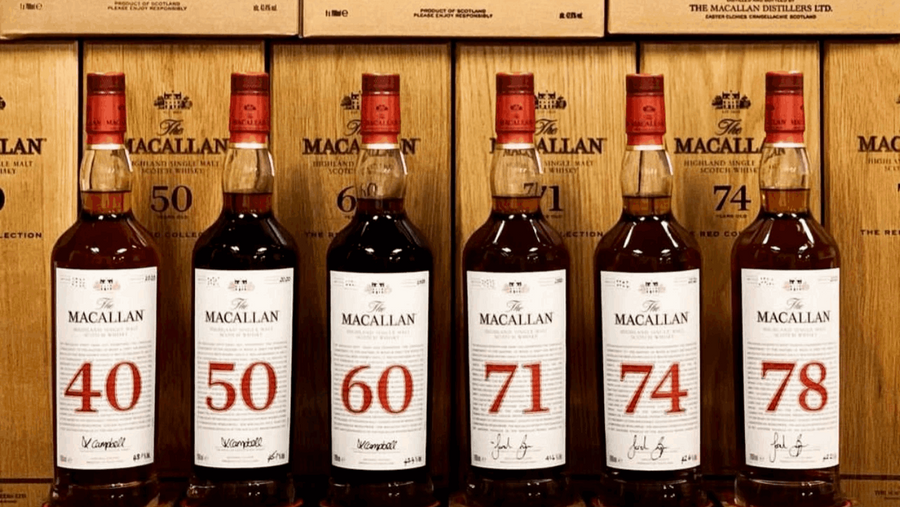
If you own Hibiki, Yamazaki, Karuizawa or Macallan, or are unsure of value, contact us.
Contact Whisky Era (HK Whisky Recycler)
- Free initial WhatsApp appraisal: (852) 46135750
- Service area: Hong Kong's 18 districts and Macau, with on-site buying available 24 hours a day
- For your enquiry: Photograph the bottle's front, back, sealing film, wooden box and certificate clearly and send them to us for prompt market assessment and a quotation.
If you have good whisky you no longer need, WhatsApp (852) 46135750 anytime for an initial online appraisal and collection throughout Hong Kong.
Whisky buyback valuation
Have a similar bottle? Get a free initial quote
For one bottle or a larger collection, send photos first and we will reply with market-aware guidance.
- Edition and vintage check
- Same-day initial quote
- Hong Kong pickup or in-store handover
Please show the front label, back label, capsule, fill level, box, certificate, and any visible defects.